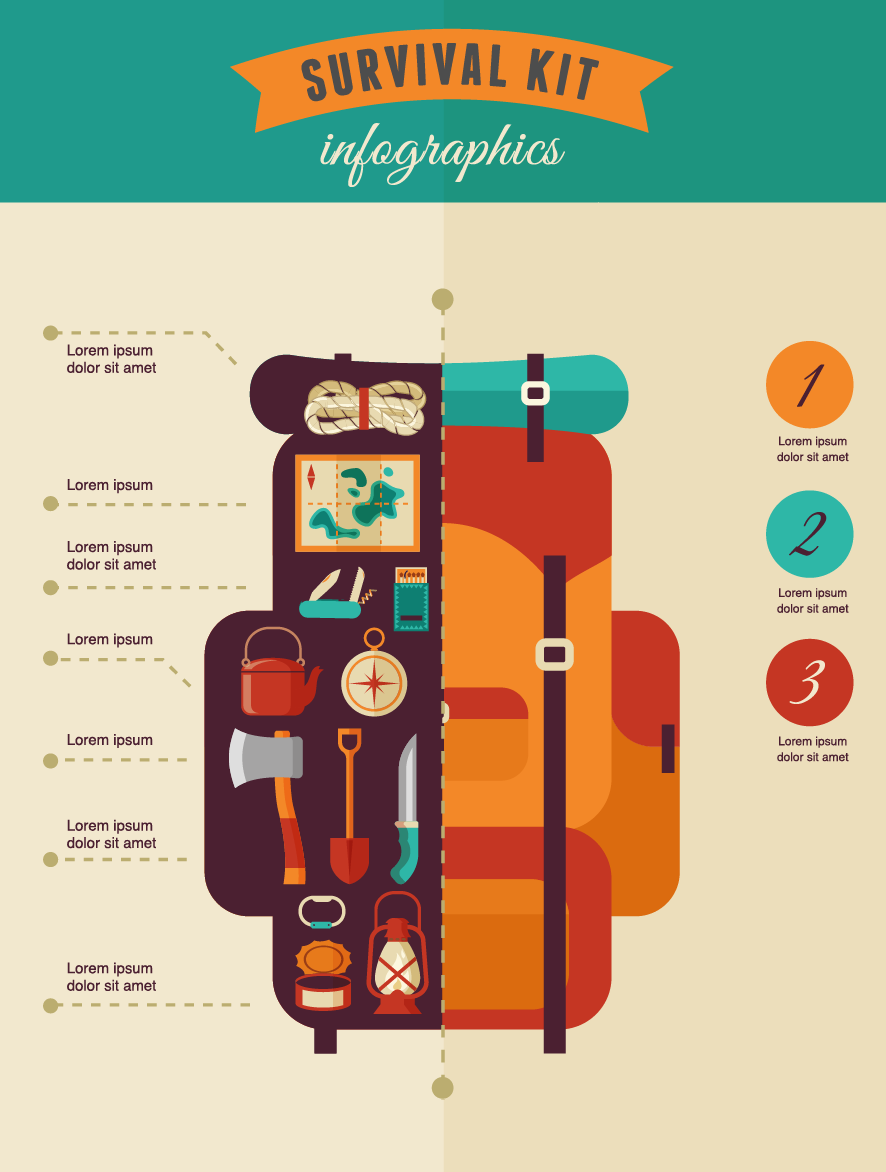
The Compromise In Between Portability and Durability
Every item we develop, buy, or carry personifies a silent settlement between two completing worths: exactly how quickly it moves with us, and how long it endures the wear of relocating. Mobility asks for agility, density, and benefit. Resilience asks for mass, support, and durability. Rarely can an item make best use of both simultaneously, and comprehending why reveals something basic regarding engineering, customer option, and even the means we live our lives.
Why both Goals Draw In Opposite Directions
At the product level, the stress is nearly unavoidable. Durability usually comes from thickness, thickness, and redundancy-- more product to take in influence, even more layers to resist exhaustion, more mass to wet resonance. Portability, on the other hand, compensates the opposite: slim walls, light-weight alloys, very little casing. A steel-framed bag may endure being gone down from a rooftop, however no one wishes to carry it via a flight terminal. A featherweight carbon-fiber laptop computer stand folds into a bag effortlessly, however a stiff wind or a dropped bag can bend it unfit.
This is not simply a crash of bad layout; it is a structural fact. Engineers define it in terms of strength-to-weight proportions, and while materials scientific research has actually made exceptional strides-- consider aramid fibers, aerospace-grade aluminum, or innovative polymers-- there is still a ceiling. Every gram eliminated to boost portability is a gram no more available to take in stress and anxiety, heat, or influence. Every reinforcement contributed to boost resilience is included weight and bulk that minimizes just how easily something can be lugged, stored, or transported.
Real-World Examples of the Compromise
Consider customer electronic devices. Smartphones have actually come to be thinner and lighter with each generation, yet this same slimness makes glass backs a lot more vulnerable to breaking and battery life a lot more constricted. Producers make up with safety cases, however that reestablishes the very bulk the style attempted to remove.
Outdoor gear informs a comparable story. A backpacking camping tent created for ultralight thru-hikers could weigh under two extra pounds, making use of slim nylon and minimal poles. It does beautifully in fair weather condition however might not withstand a severe storm the method a much heavier, four-season expedition tent would. Climbers, campers, and tourists frequently negotiate this spectrum, selecting equipment based upon the details equilibrium their trip demands.
Even in design and facilities, comparable reasoning uses. Modular, prefabricated buildings can be transferred and set up swiftly, yet a put concrete structure, though impossible to relocate, provides unrivaled durability. Mobility sacrifices durability, and durability sacrifices adaptability.
The Duty of Objective in Resolving the Tension
The best balance is never universal-- it depends completely on use situation. A piece of equipment indicated for everyday travelling values mobility much more than one indicated for exploration survival. An area engineer's laptop may prioritize a rugged, reinforced chassis over slimness, while a student's laptop favors lightweight for lugging in between courses. Objective determines where on the range an item must rest, and mismatches between purpose and design frequently explain why certain items fall short to please individuals: a "tough" phone that is as well large to pocket, or an "ultralight" tool that breaks under regular usage.
This likewise indicates that trade-offs are typically resolved not through better products alone, yet with smarter style decisions. Foldable frameworks, modular parts, and removable reinforcements allow challenge change in between modes depending on demand. A camera with a detachable safety housing can be sleek for day-to-day capturing and tough for underwater use. These hybrid solutions do not eliminate the trade-off, however they allow customers pick which side of it they require at an offered moment.
Past Objects: A Broader Life Lesson
The portability-durability trade-off extends metaphorically right into other areas of life. Abilities that are mobile-- basic, adaptable, easy to use throughout contexts-- are not constantly the inmost or most resistant despite specialized challenges. Extremely specialized competence, at the same time, can be very resilient and efficient within its specific niche however more challenging to move to strange scenarios. The very same reasoning applies to relationships, habits, and even digital systems: flexibility frequently comes at the cost of robustness, and robustness often comes at the price of flexibility.
Verdict
The compromise between mobility and sturdiness is not a defect to be resolved once and for all, but a layout room to be browsed attentively. Identifying this stress enables engineers, designers, and everyday customers to make even more deliberate options-- not chasing after a difficult perfect of a product that is all at once the lightest and the toughest, however picking the balance that finest offers its waterproofing intended objective. In doing so, we stop treating toughness and portability as completing virtues and begin seeing them as two ends of a range where the smartest option is the one adjusted to real-world need.